There are different reasons why you may want to purchase a house; however, there are some vital parts to consider before purchasing the house. Most times, there are a lot of costs associated with purchasing the house that it can get really overwhelming, so much so that you begin to look for ways to reduce the costs. Regardless of the total cost at that moment, one cost that you should never do away with is the house inspection, because it is very important, and you will find out why.
Safety and Health Conditions
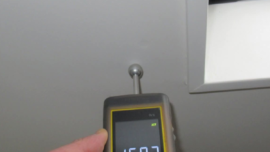
One of the most important needs a human has is staying safe and healthy, and with a house inspection, you can ascertain whether the house is safe for you or not. There are different tests that will be carried out, including carbon monoxide, mold, radon, and other tests that could pose a health hazard to occupants of the house. It is imperative that the contract allows for opting out of the purchase if hazards are detected.
Not Interested? Opt-Out
Perhaps you have carried out the house inspection, and you are not comfortable with the results, you have the opportunity to cancel the negotiation. This is a very important reason for carrying out a house inspection. The report from the inspection can reveal a lot of irregularities. If the irregularities will cost you so much to fix, then you have the choice to either go ahead with the purchase or opt out of it.
A Chance to Renegotiate
If you just buy a house without carrying out a house inspection, it could be really disheartening when you move in and discover you have to spend so much on repairs and fixes. However, when you carry out a house inspection prior to buying the house, you can renegotiate with the seller and either ask them to make the necessary repairs or ask that the price be reviewed. In this case, it is important to get your realtor involved; as they will help you better understand the renegotiation process and the requests that can be made.
Permits, Standards, and Codes
There are some houses that have illegal room additions and installations. The seller may not tell you about them because they want to get the property out of their hands as soon as possible. There are penalties attached to not having proper permits for additions and installations, and you do not want to have to deal with that. Hence, it is imperative to carry out a house inspection, as it will reveal whether there are irregularities that need to be dealt with or not.
We are well aware of the intricacies attached to house inspections, and that is why we offer a comprehensive house inspection service that will reveal everything you need to know about the house before making that purchase. Our comprehensive house inspection services include:
Roof space and structure
Borer detection
Foundations
Roof cladding
Exterior joinery
Insulation
Impending maintenance
Site items
Hot water system
Underhouse and Sub-Floor StructureMoisture / Leak Detection
Workmanship
Flooring
Spouting and Downpipes
Wall Cladding
Driveway
Plumbing and drainage
Accessory units
Decks
Pests
We want you to get the best service; hence, we are meticulous with our service delivery, as we pay attention to detail and ensure that we deliver our service professionally. Furthermore, we ensure that our reports are detailed, in order to help you make that important decision of purchasing the house or not. Do not hesitate to reach out to us, and we will be on hand to attend to you and your requests.
A proper home inspection is your best defense against buying a property that will be a home improvement nightmare. Use these 12 tips to get the most out of your home inspection
Make sure you are present for the home inspection and be prepared to ask questions and point out specific problems you’d like to check out further. This will be the first time your home inspector has been at the property, so your knowledge of potential issues is invaluable.
Use Someone You Trust
Doing your homework to find your own home inspector can really give you peace of mind. While your realtor probably has a few inspectors that he or she can recommend, you should really find your own. An impartial, third-party home inspector won’t have any loyalty to your realtor and will be able to talk freely and frankly about potential issues. You may have to pay a little bit extra for a quality home inspector, but compared to the purchase price of a house, it’s well worth it.
Don’t be Afraid to Ask Questions
The reason you hired a home inspector is because this person has the necessary knowledge to evaluate whether or not this potential property has any issues that would make purchasing the home a bad decision. And you should respect your home inspector’s knowledge and time. However, if something doesn’t look right or you don’t understand what a home inspector is referring to, speak up. It’s better to ask a question now than have an issue arise after you’ve purchased the property.
Get Pictures for Proof
Any home inspector worth using will bring a camera along on the inspection. The inspector will also be heading into places that you won’t want to go if you don’t have to (the roof, crawl space, under decks, the attic, etc.). Ask your inspector to photograph any potential issues that arise so you can see the issue for yourself and make sure you fully understand the problem.
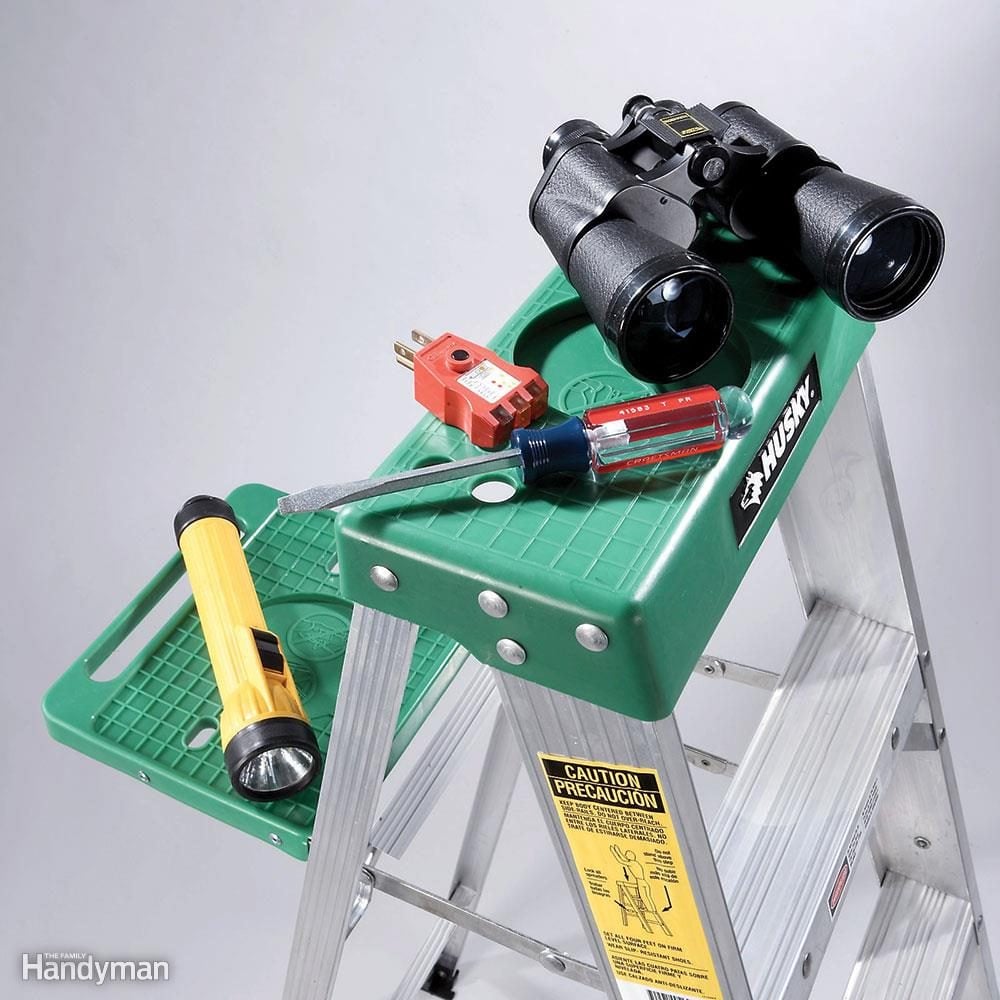
Infrared and thermal cameras can give you and your inspector a look behind walls and floors that you otherwise wouldn’t be able to get without ripping out drywall or flooring. Because this technology is so accessible, your home inspector should use these pieces of equipment throughout the inspection (though some home inspectors may charge an additional fee for this service).
Do Your Own Pre-Inspection
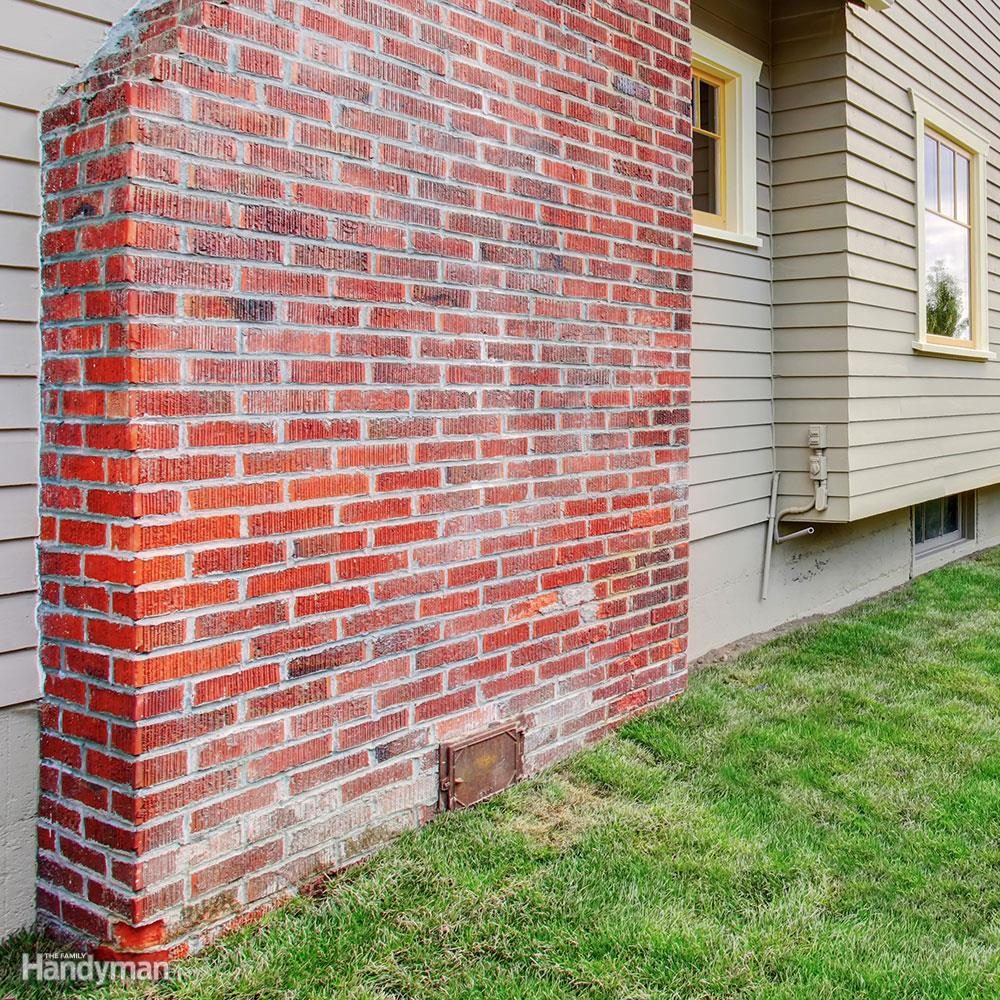
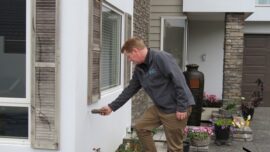
You can really learn a lot about a house just by looking at it. Make sure you do your own home inspection and note any possible issues. Look at walls and ceilings for any evidence of water damage (discolouration, stains, etc.). Try all the light switches and outlets you can to make sure the electrical layout makes sense. Peek at the electrical panel to see if there are any potential wiring issues (look for new wire, old wiring that isn’t hooked up, etc.). On the outside of the house, look for drainage issues, areas with peeling paint, around decks and porches, inspect the siding, etc. Going into your official inspection, you should have a good idea of things you’d like your inspector to pay extra attention to.
Pay Attention to the Roof
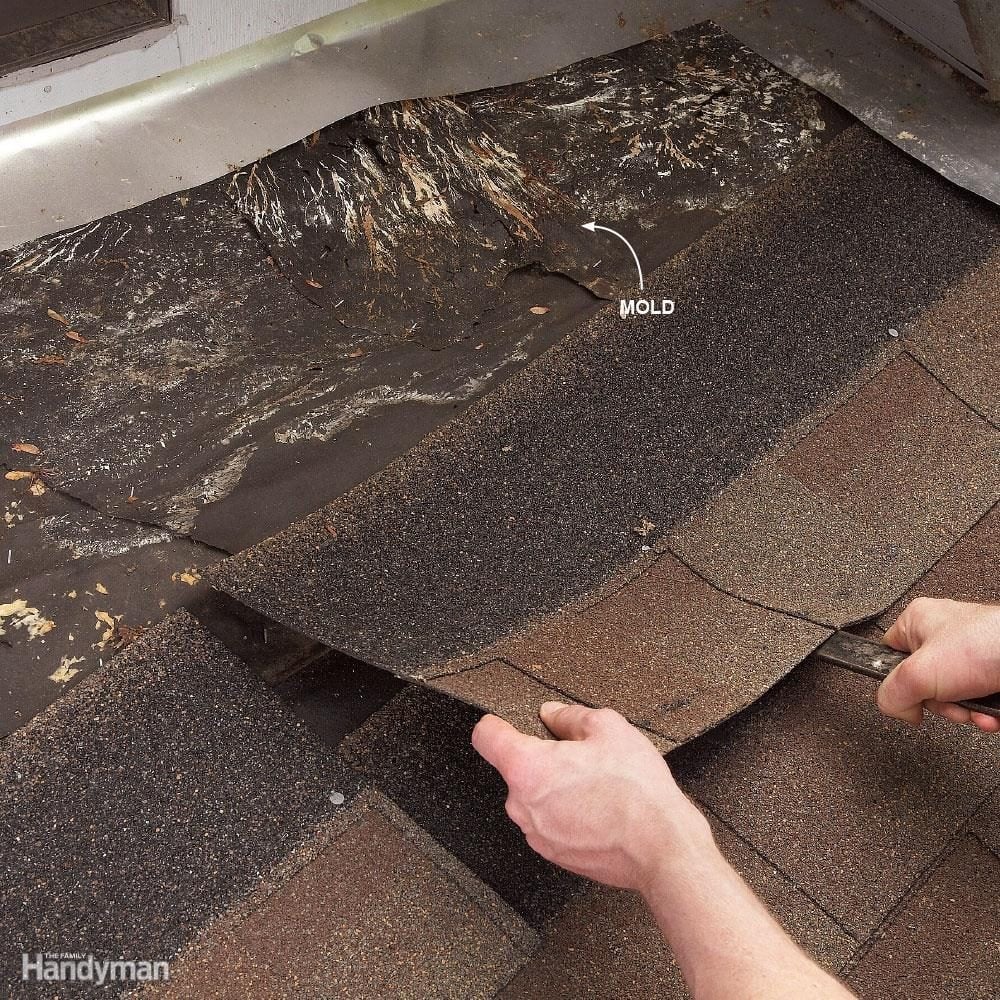
A home’s roof plays a huge role in keeping the interior in good shape. It’s also one of the most expensive and labour-intensive parts of a house to replace. Try to find out when the roof was last replaced, the age of the shingles and whether or not any warranty exists. Make sure your home inspector actually goes up on the roof during the inspection (unless it’s physically unsafe to do so)? there’s only so much you can see while standing on the ground. Keep eyes peeled for curling or missing shingles and pay special attention to anywhere there’s a chimney, vent or skylight to look for signs of water intrusion. You can also see signs of water issues in the attic if it’s accessible.
Look for Cosmetic Fixes
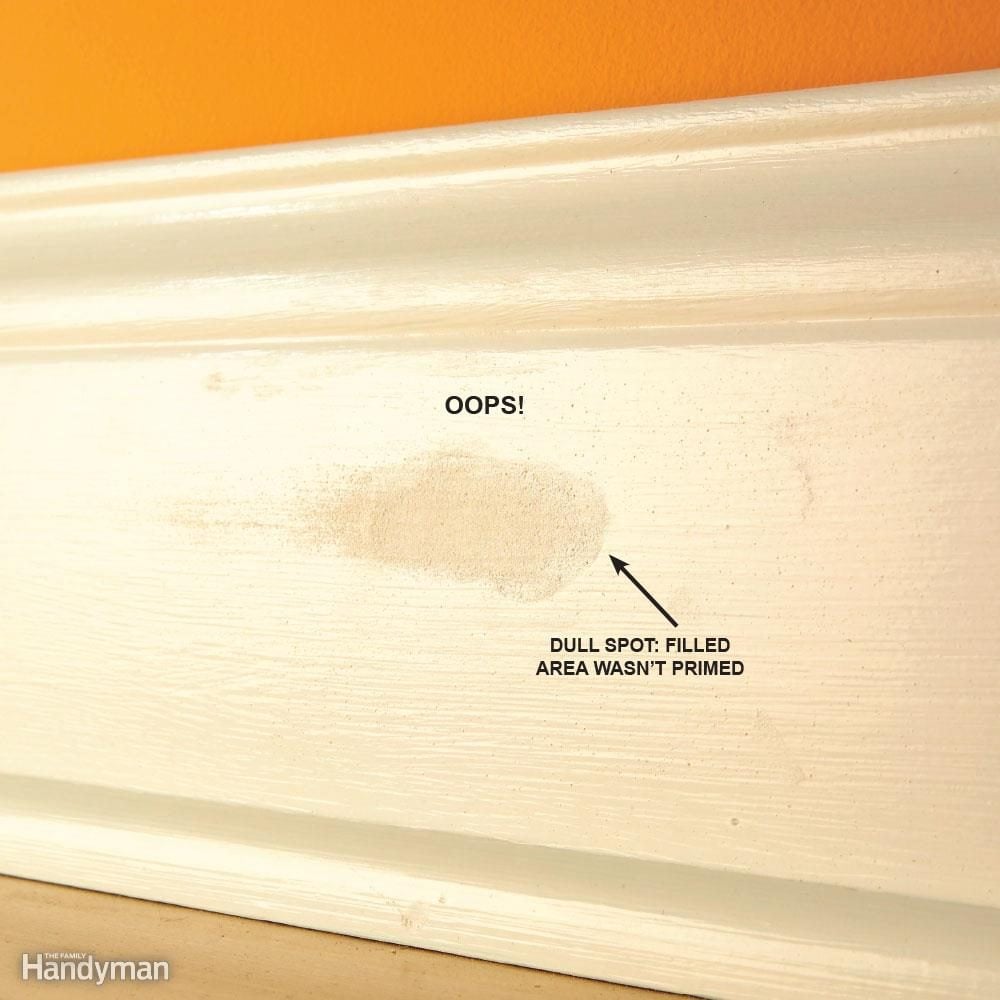
Freshly-painted walls and new floors are the often signs a homeowner cares about the home they’re selling. But sometimes these things can also be cosmetic cover-ups of underlying problems. Pay attention to any suspicious fixes — only part of a floor patched or repaired or only part of a wall is freshly painted? and ask your inspector to take a closer look.
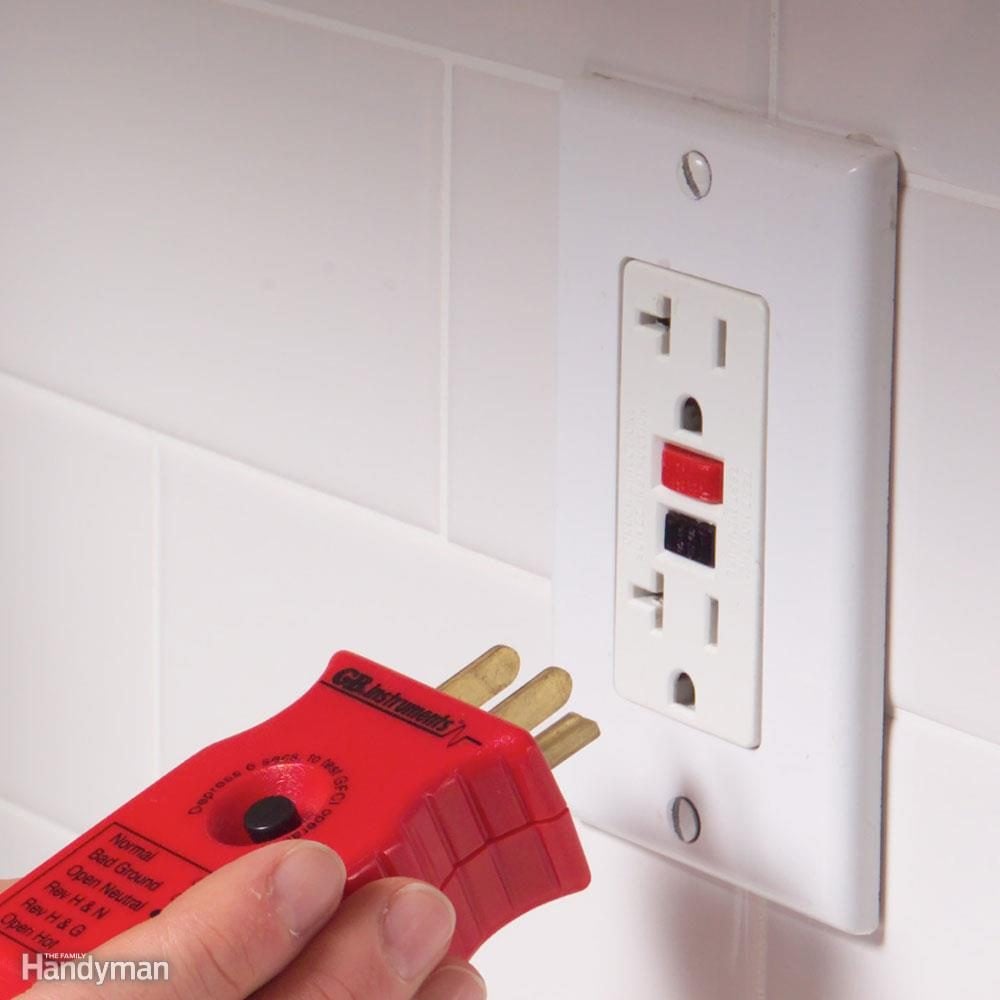
Test GFCIs
GFCI outlets are part of the building code in rooms where moisture is present (kitchen, bathroom, laundry room, etc.). Your inspector will know how to test these outlets properly, and malfunctioning or non-working GFCI outlets could hint at bigger electrical problems.
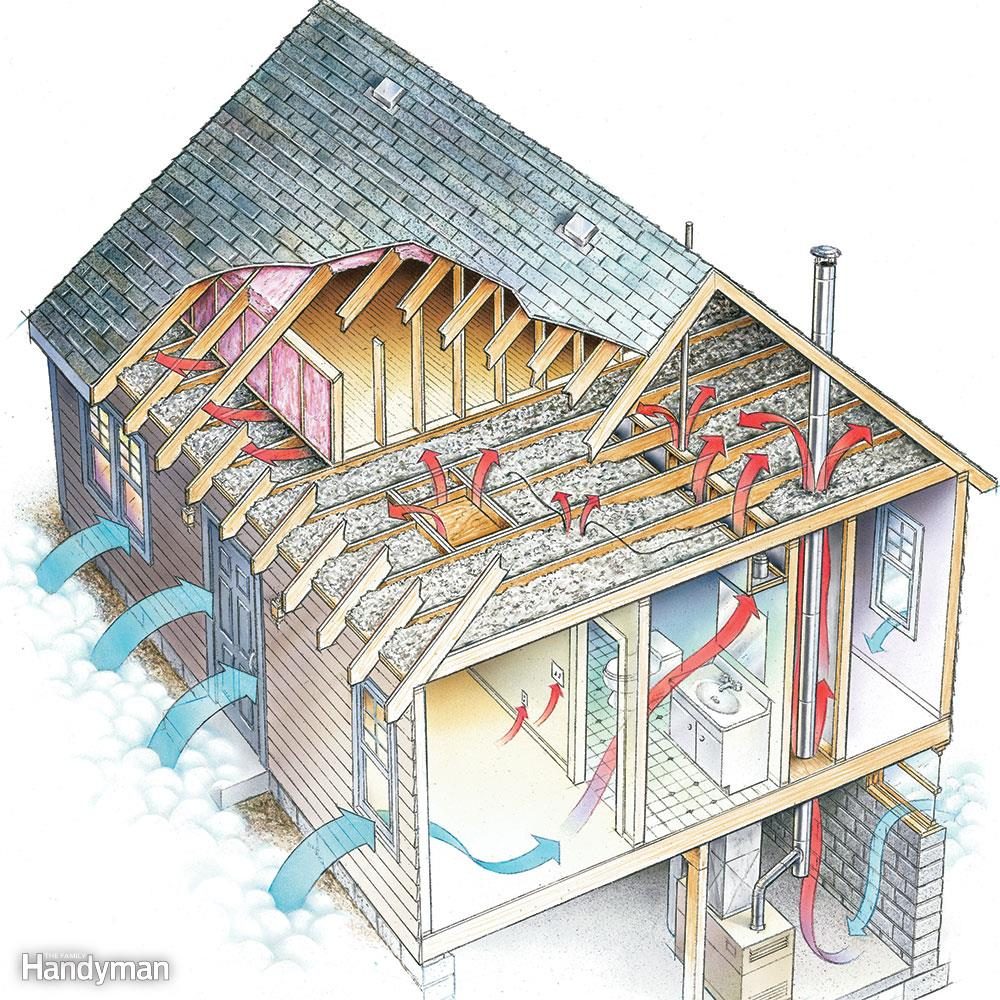
Look in the Attic
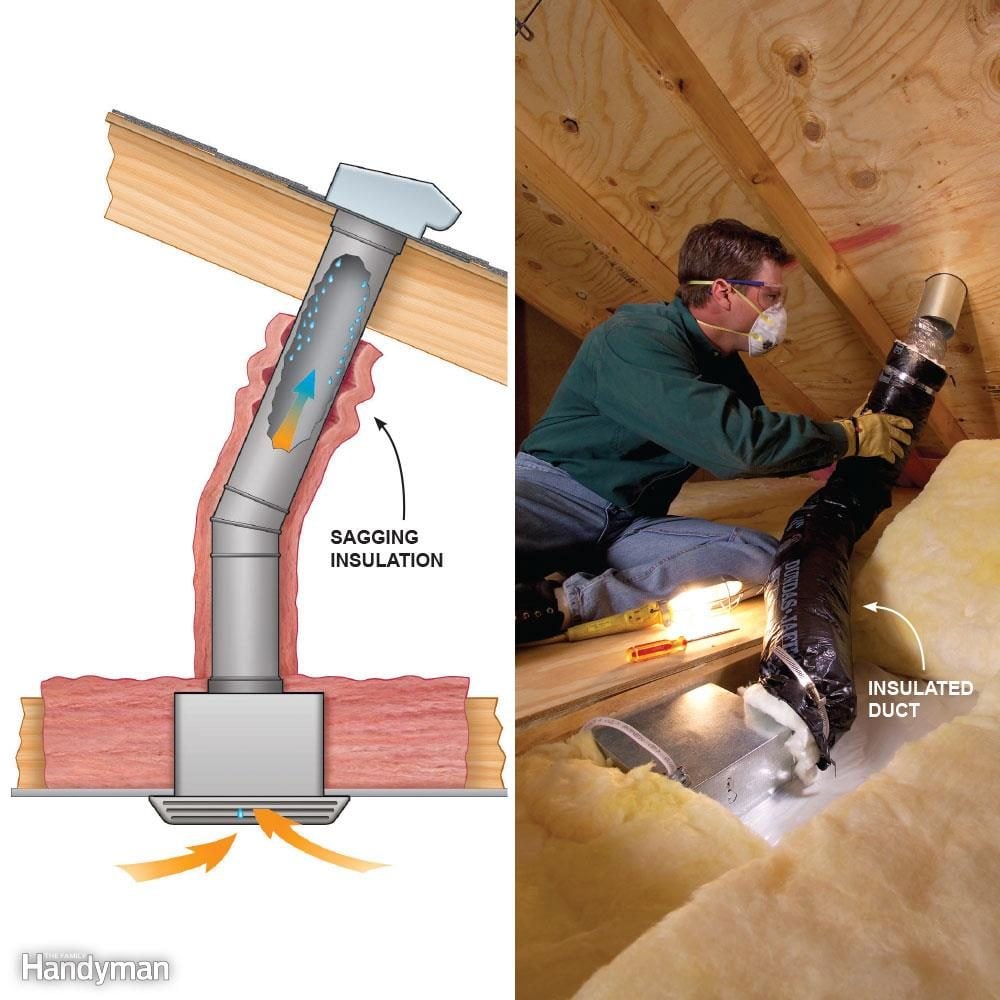
A well-functioning attic is crucial to protecting a home. If your home inspector can get into the attic without trampling insulation, you can often learn a lot about the home and any renovations or repairs. One very common inspection red flag is improper venting of bathroom fans into the attic (and not extending the vent all the way through the roof). If your bathroom fan is venting directly into the attic, all it’s doing is sending moisture and humid air into the attic where it causes mould, rot or worse. It’s also not up to code. If possible, have your inspector check for attic air leaks. While you can fix these attic air leaks, an attic with air leaks could have potential issues with insulation, moisture, mould or worse.
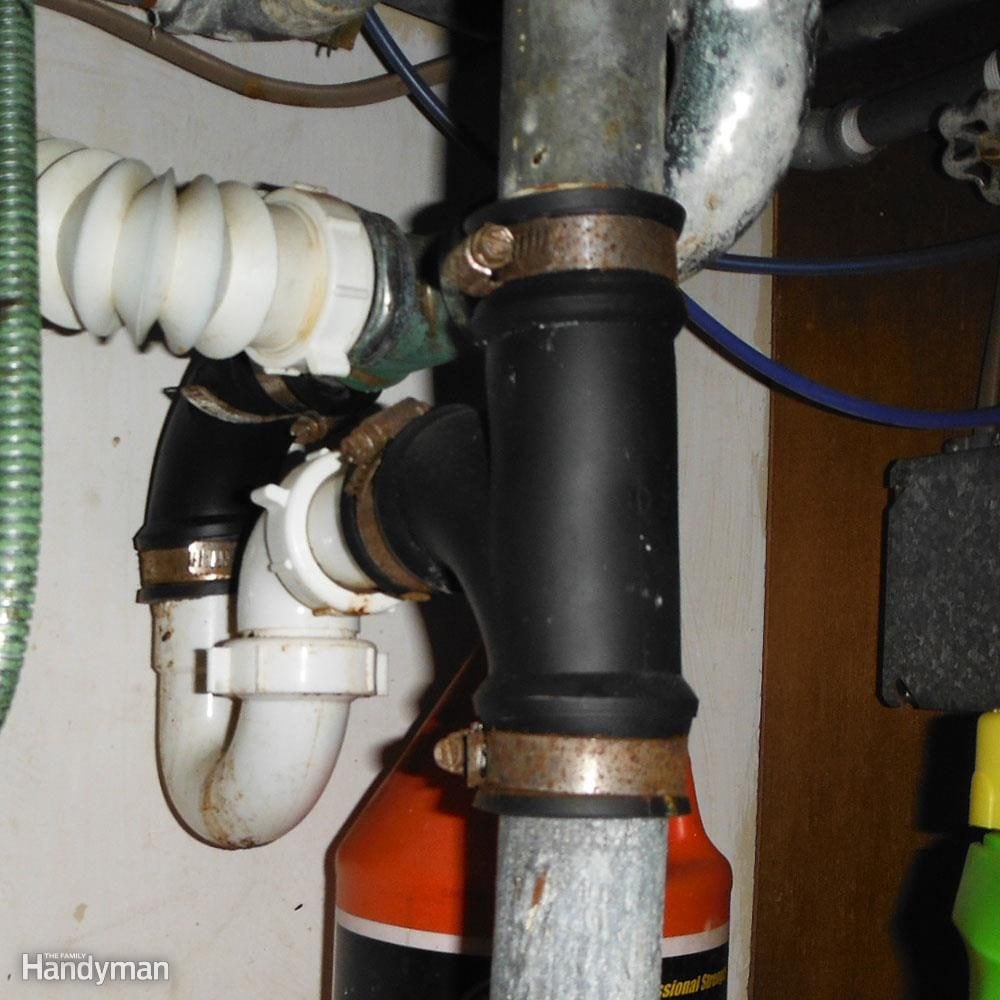
Give the Plumbing a Try
Losing water pressure or dealing with a slow drain can be indicators of larger plumbing issues. Make sure bathtubs and shower pans are leak-tested. And have the home inspector inspect the water main and shutoff points (very useful knowledge if/when you take ownership of the property).
Link post: https://www.familyhandyman.com/smart-homeowner/tips-for-getting-the-most-out-of-a-home-inspection/view-all/
It may be tempting to blame a faulty property or an overzealous home inspector when a transaction falls apart after inspection. But there’s more to this common situation than meets the eye.
If I were a real estate agent and I had worked for weeks, months, or even years with a client, I would dread home inspection time. Experienced real estate professionals know there are hundreds of ways a deal can fall apart, from credit and financing problems to appraisals to just plain cold feet. But certainly, one of the more common deal killers is the home inspection. But it doesn’t have to be. To help prevent home inspection time from becoming contract termination time, here are a few thoughts from the point of view of an experienced home inspector.
Houses and Home Inspectors Do Not Kill Deals
From my experience, there are three home inspection situations that lead to a cancelled transaction. You might be surprised to hear two things are not on this list: the house and the home inspector. Having spent more than a dozen years performing more than 5,000 structural home inspections, I have found that some real estate agents do think that the home or the home inspector is to blame, but let’s step back for a minute and look at what really happens in these situations.
When the findings uncovered in a home inspection significantly alter the buyer’s expectations about what they thought they were buying, this causes problems. You might hear something like, “Gee, I thought I was buying X, but now that we have looked closely, I see the house is more Y” from your client.
From this point of view, the cancellation has everything to do with the client’s expectations coming into the inspection. It might be tempting to wish the home inspector had been less forthcoming about the condition of the house, but that implies that the client should experience some level of deceit or poor communication from the home inspector. The better solution to this common problem is buyers having more realistic expectations before they sign the contract. This is why I wrote my book, The Confident House Hunter—to teach people skills that will help them look at houses and evaluate risk so they are more prepared to make an offer on the right house. Here are the top three reasons buyers cancel a deal after the inspection.
1. Buyers Are Unprepared
There are no classes in college or high school to teach people how houses work or where risk lies in a residential building. Even professional real estate agents have little or no training to help them understand how to look at houses and identify issues; most of these skills are learned on the job through the school of hard knocks. This problem has been exacerbated in recent years by a new generation of home buyers, many of whom who did not grow up working on their houses with their parents.
2. Buyers Have Higher Expectations
Adding another layer of complexity to modern homebuying is how much our assumptions about houses have changed. Most buyers now expect a level of luxury and comfort in a house that consumers could scarcely have imagined as recently as the 1960s. The result is that people are now buying more expensive and more complex homes, yet have less understanding of how they are built or how they work. And in markets enduring tight inventory conditions, your clients have less and less time for decision-making, as multiple offers and spontaneous action become the norm and increase the chances for buyer remorse.
3. Technology Has Dramatically Improved Reporting
Further complicating matters is the reality that home inspections have changed as well. It’s a relatively new industry, and over the past 15 years, I’ve watched computer-generated reports, digital cameras, and other new tools lead to rapid innovation. Today, upon hiring a quality home inspector, a buyer can expect to receive a 40- to 60-page report with dozens or even hundreds of high-resolution color photos, detailed diagrams, and links to additional information. The reality is, your clients have access to more information and receive more data about the home they are purchasing than ever before. However, they often lack the tools to help them digest all of the facts.
A New Motto for Buyers
The number one reason deals fall apart after a home inspection is that the findings significantly change what the home buyer thought they were buying. Many make the mistake blaming the home inspector or the house. That’s why I created a new motto for home buyers: “All houses have problems, but every house is a great house for the right person at the right price.”
I’ve inspected houses that I felt were teardowns, meaning the property would be costlier to fix than it was worth. Upon giving this information to one homebuilder client, he said, “Great! I was hoping to tear it down anyway.” I have inspected other houses that I thought should be torn down, but buyers wanted to renovate them anyway because they were in love with the cabin-like feel of the place and they had the resources to make their dream come true, even if it was not the most cost-effective approach. If an inspection on a teardown can go well, then really any inspection should be able to be successful, right? Looking at property from this point of view, we start to see that “bad houses” are extremely rare, even though unrealistic expectations on the part of buyers or sellers can make them seem like they are common.
I am always surprised when people read my inspection reports and comment something like, “Oh, you hated that house.” I do not hate houses. I am simply doing my best to document the condition of the property so the right person can buy it at what they believe is the right price. I love houses; it is unrealistic expectations that I don’t like.
Are Home Inspectors Sometimes Responsible for Killing Deals?
One of the hardest things for me to hear is the charge that home inspectors are killing deals. I do feel that the industry could do more to train inspectors on both technical and communications skills. In fact, communication training is particularly lacking in home inspection schools and continuing education courses. But I also feel that the real estate industry could do more to prepare agents to teach buyers a better way to look at the “bones” of houses. I am not aware of any requirements for new real estate agents to learn anything about houses to get a real estate license in my home state of Washington, and maybe that should change.
The truth is all houses pose some level of risk, and there are skills everyone can learn to help evaluate that risk and make appropriate offers on the right homes. A more transparent approach could help us all show up to the inspection armed with realistic expectations. This could save everyone a lot of time and heartache, resulting in happier clients, better referrals, and a lot less talk about home inspections killing deals.
Home inspector Dylan Chalk is the author of The Confident House Hunter (Cedar Fort Press), a book to teach home buyers how to look at and understand houses. He is the owner of Seattle-based Orca Inspection Services LLC, and in 2017 he accepted the position of vice president of the American Society of Home Inspectors’ western Washington chapter.
You’ve finally found what seems to be the perfect home. It’s got all your must-haves and some of your nice-to-haves, too. It looks like it’s in excellent condition, but merely looking like it’s in good condition is not enough when it comes to such a huge financial decision.
To make sure you’re not buying a money pit, you need a professional home inspection before you commit.
An inspection should uncover any potential issues so you have a complete picture of what you’re buying.
Finding a Home Inspector
Many first-time home buyers don’t realize that it’s their responsibility to hire a home inspector. Make sure you make your offer conditional upon inspection or get one done before you make a bid.
To find a home inspector, people often turn to recommendations from trusted friends and family members. Your broker might also have an inspector to recommend. While other people’s opinions are helpful, what’s paramount is that you hire someone who is qualified.
Some states require home inspectors to have certifications. For those that don’t, membership in organizations like the American Society of Home Inspectors can give you some assurance about an inspector’s professionalism.
What the Inspector Should Look At
During a home inspection, the inspector should thoroughly evaluate the physical structure of the home as well as critical internal systems. You should make sure the examination includes the following:
● Electrical system
● Plumbing system
● Heating and cooling systems
● Radon detection equipment, if applicable
● Walls, ceiling and flooring
● Windows and doors
● Roofing
● Foundation
● Basement
● Attic
● Insulation
While an inspection will give you an idea of a house’s overall condition, it might not uncover hidden problems such as pests, mould or asbestos. It also won’t turn up flaws in areas that are below ground or otherwise inaccessible to the inspector, like wells and septic tanks. To identify those types of problems, you’re going to need additional inspections.
What Should You Do During the Inspection?
You should make every effort to be present when the inspection is taking place. You can follow the inspector around the house and ask questions so you can learn more about your potential new home. If you can’t make it for the inspection, you should meet with the inspector to go over the report in detail.
If you have questions about potential issues or how to take care of parts of the home, feel free to ask the evaluator. Take care, however, not to get in the inspector’s way. Don’t start inspecting the home yourself, either. If you test a sink while the inspector is testing a shower, for example, you might alter the results.
It’s also important to remember that “an inspection is only a snapshot in time on the day of the inspection,” said John Bodrozic, a co-founder of HomeZada. So if you’re buying a house in the middle of summer, try to consider how the home might perform in different conditions, like the winter or fall.
A Home’s Report Card
Once the inspector completes an evaluation, you will receive a report with the inspector’s findings. Don’t be alarmed if you see a lot of deficiencies noted. Home inspections are detailed, so reports often include between 50 and 100 issues, most of which are relatively small.
The report should include information about how severe each listed problem is, plus estimates on how much it would cost to fix each problem. Ask the inspector for clarifications on this if necessary.
If the inspection finds more problems than you’re comfortable dealing with, you can choose to back out of the sale or try to negotiate to have the seller make the repairs or lower the price. If you’re satisfied with the condition of the home or the shape it will be in after the seller meets the arrangements of your negotiations, you can move into your new home with more peace of mind.
CreditHarriet Lee-Merrion
By Megan Wild
March 23, 2018